Preserve or liberate? How to cherish culture without confining it in a glass cage? For
Each design that dada.ww creates, therefore, is not a final product but a living work, transforming along with the wearer. Similar to how culture subtly echoes through lands and generations, seemingly unbound by any borders.

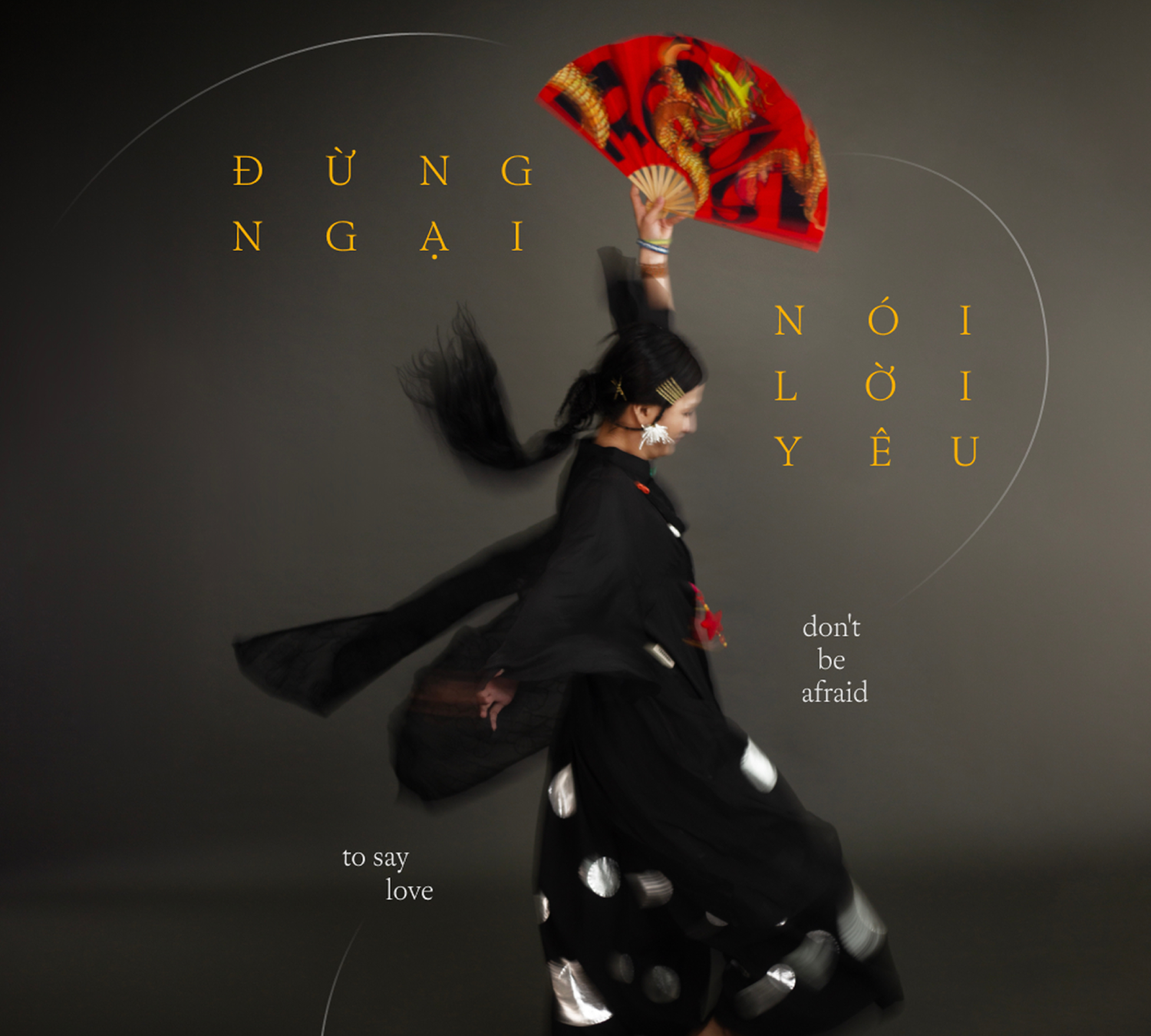
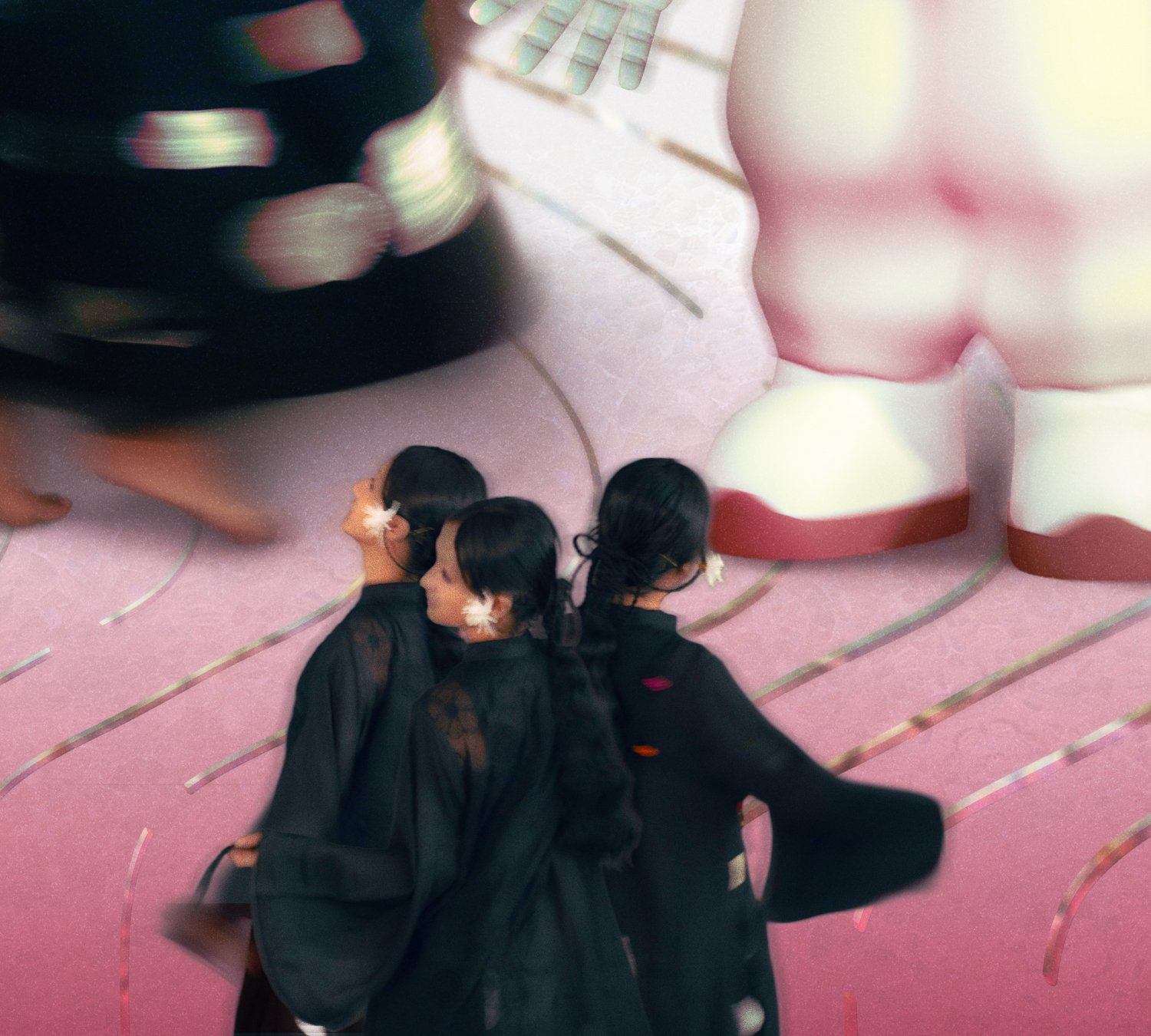
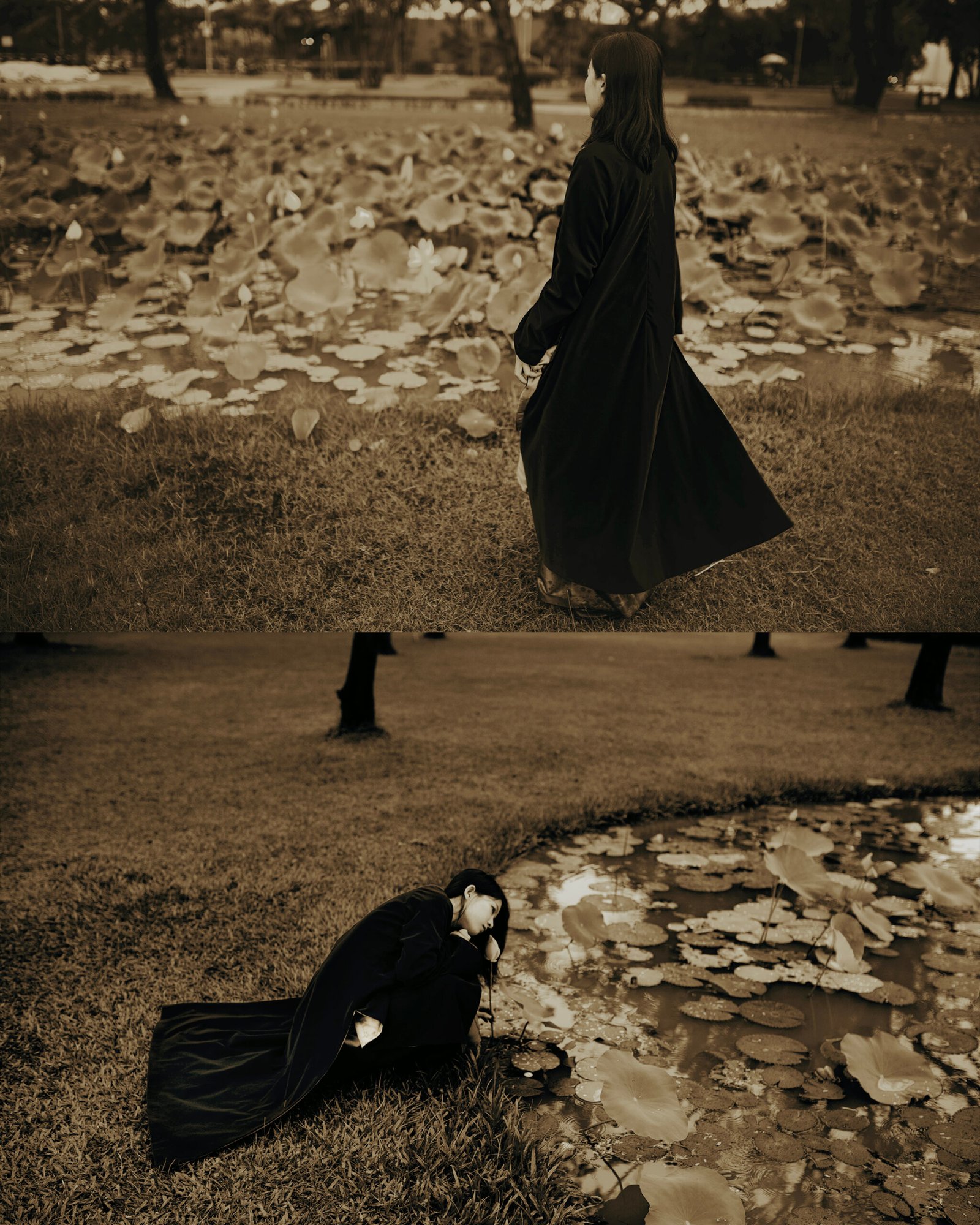
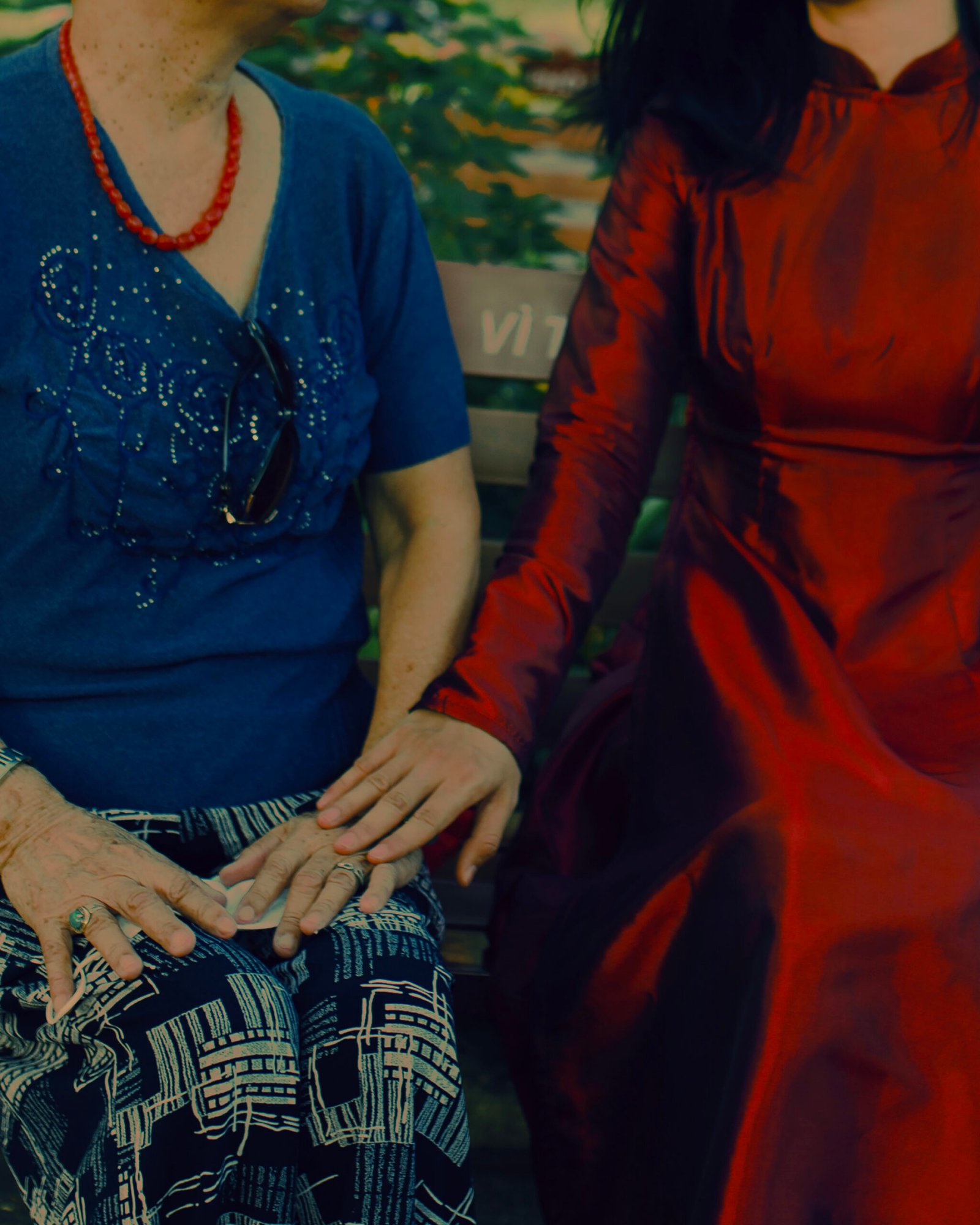
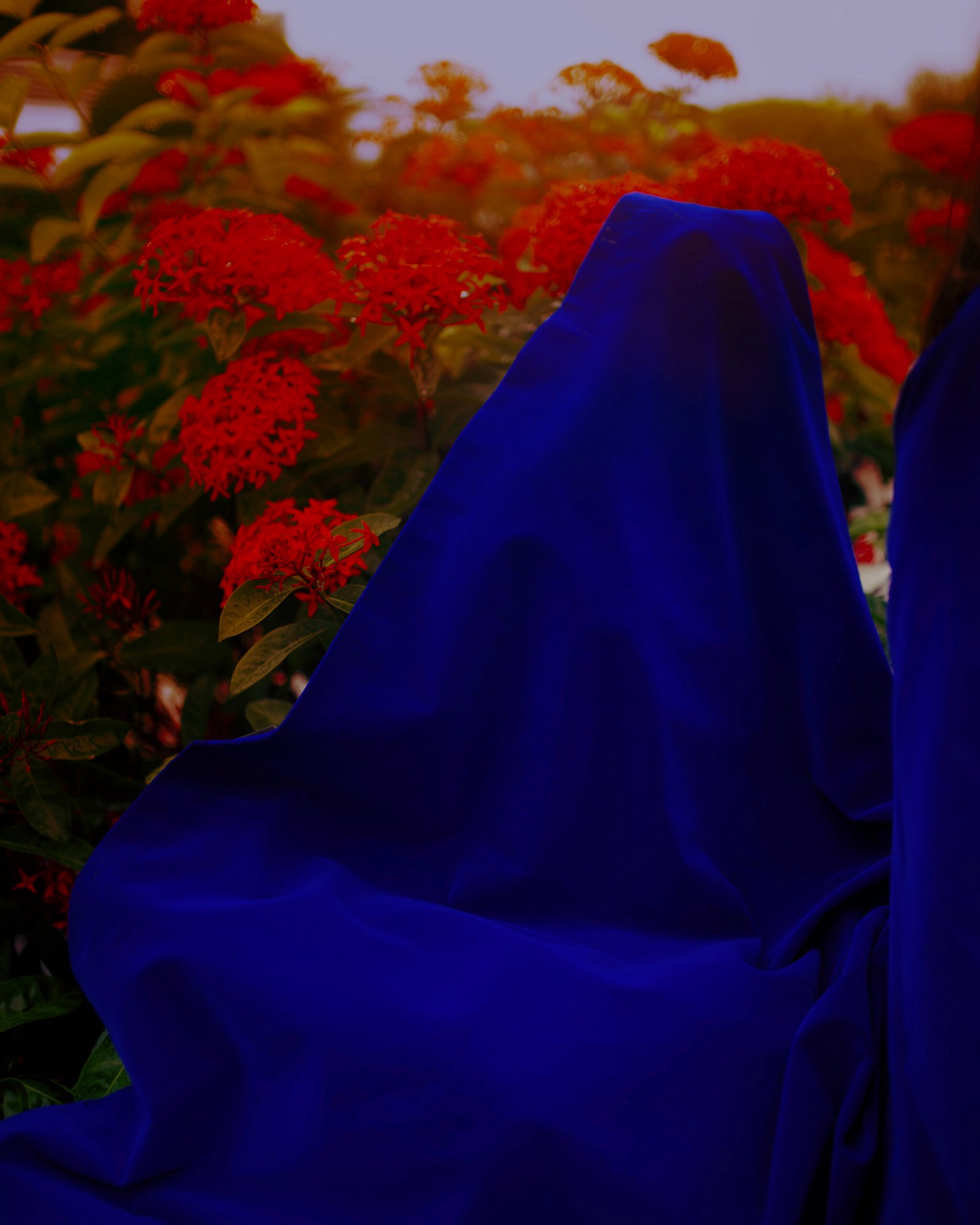
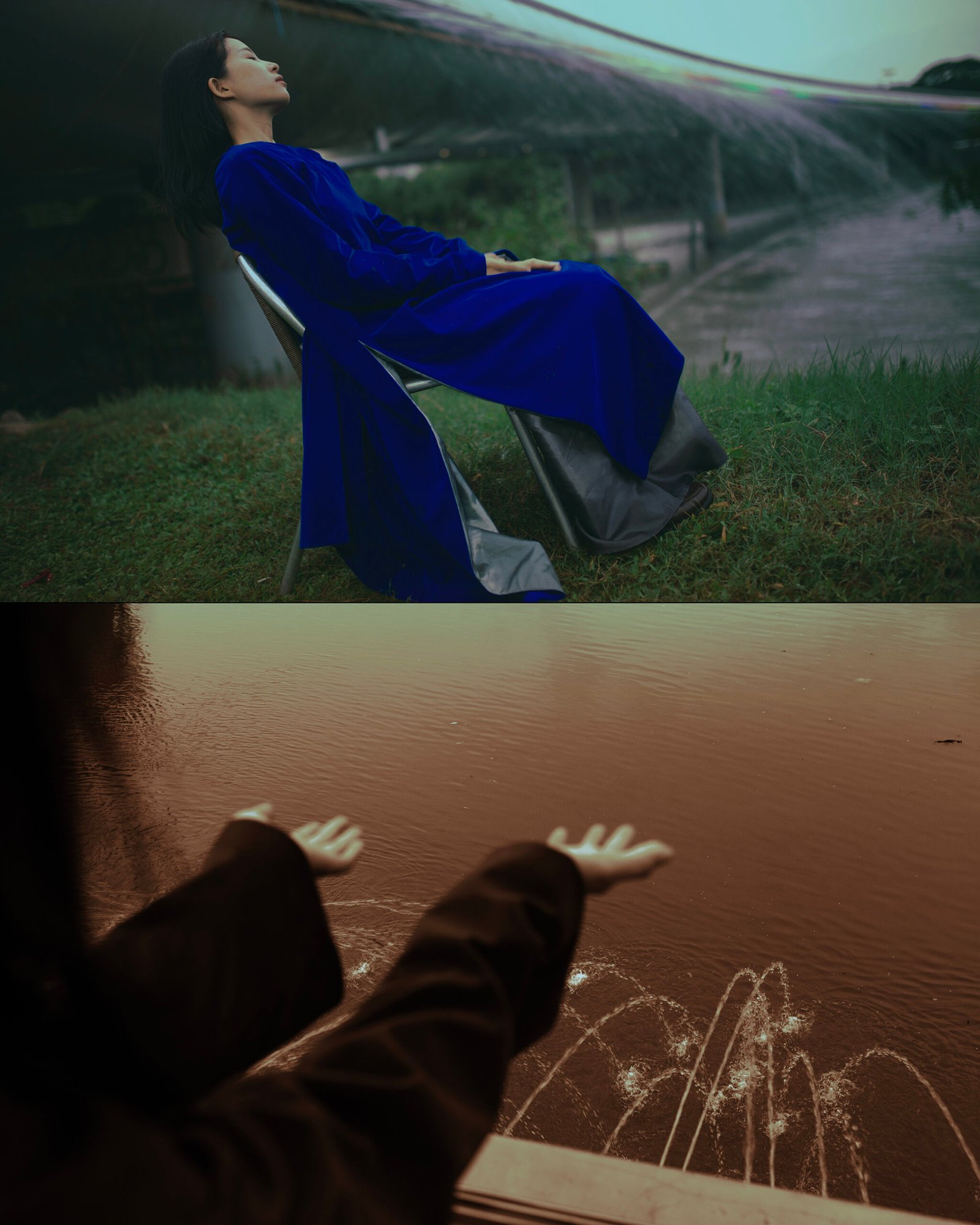
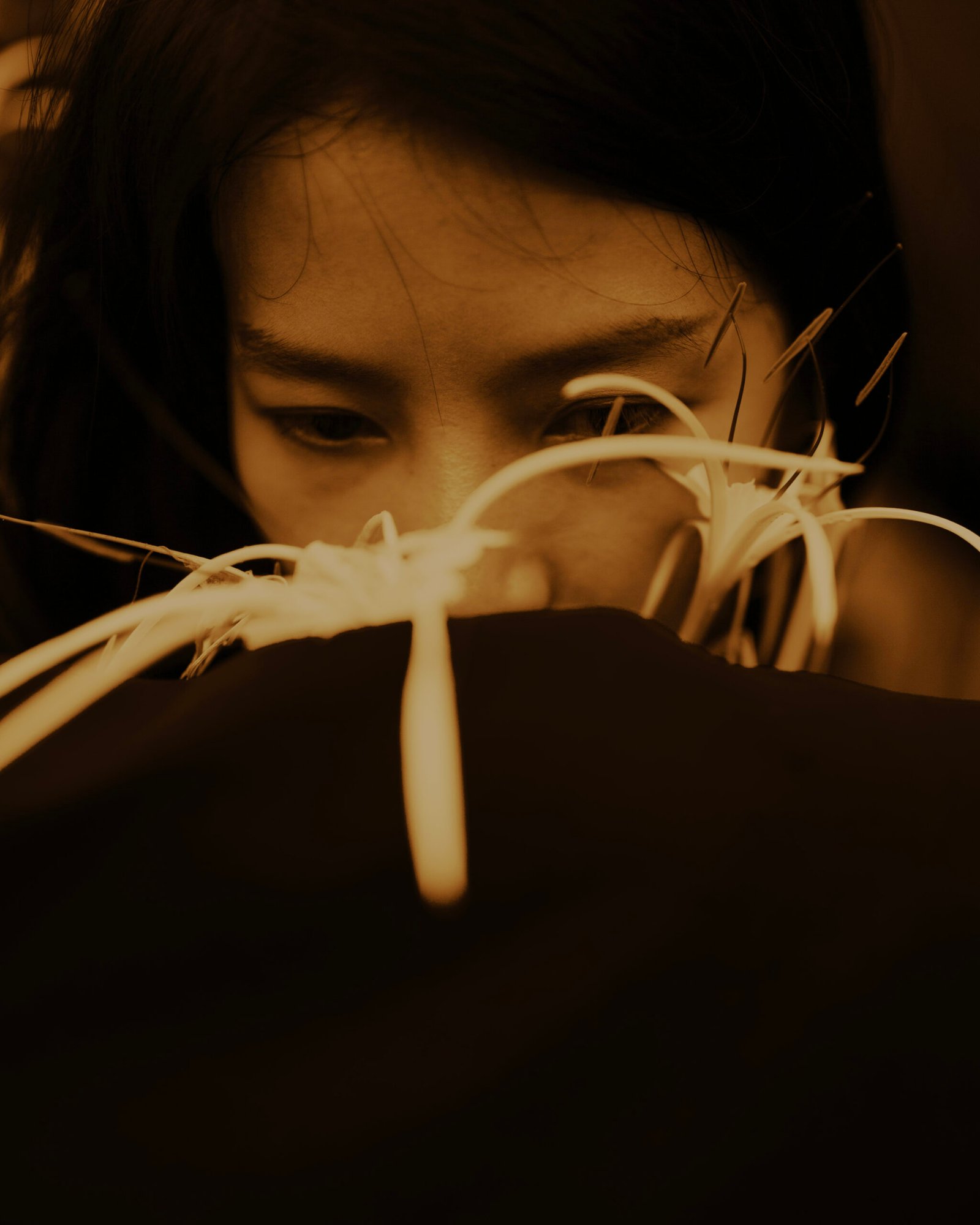
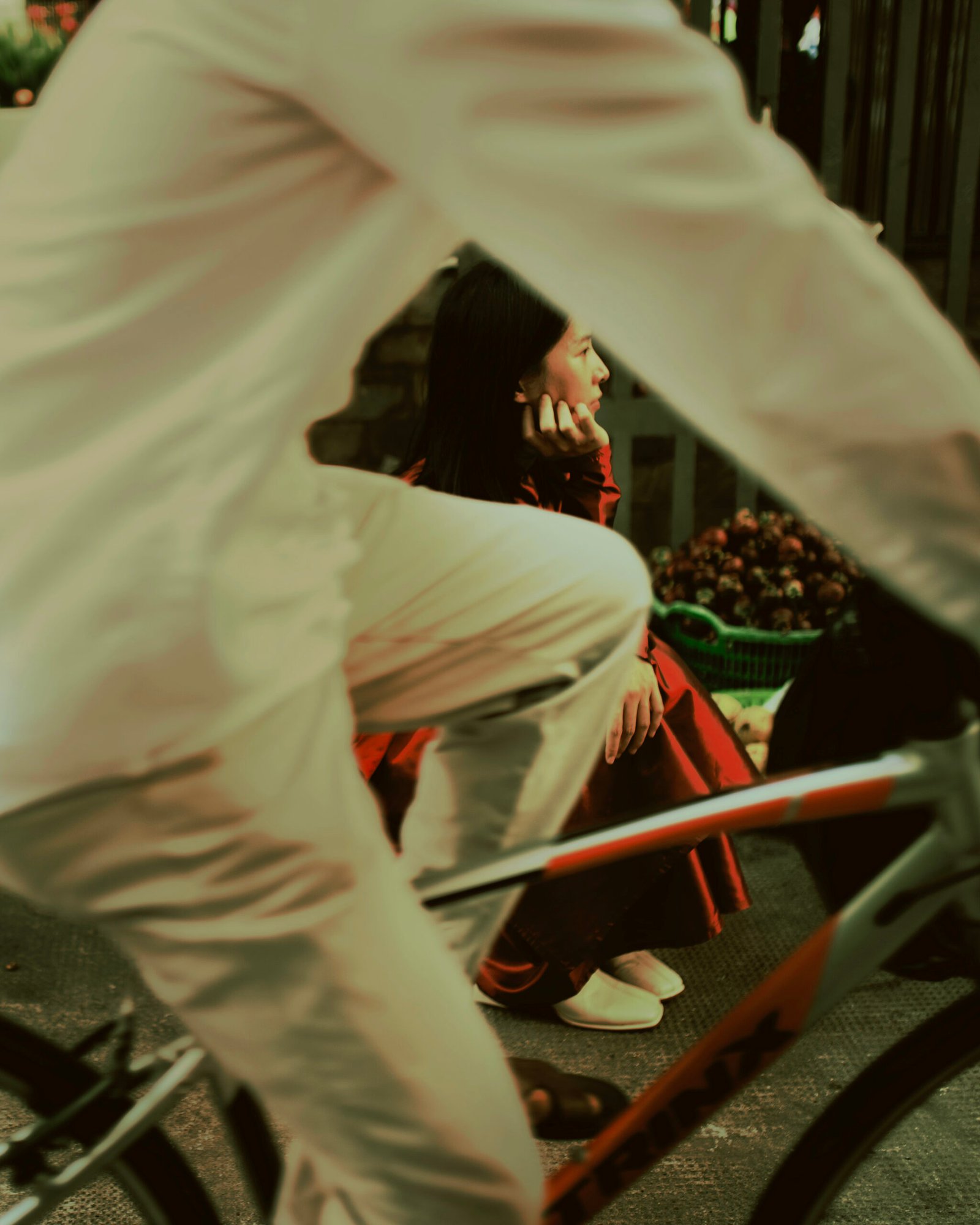
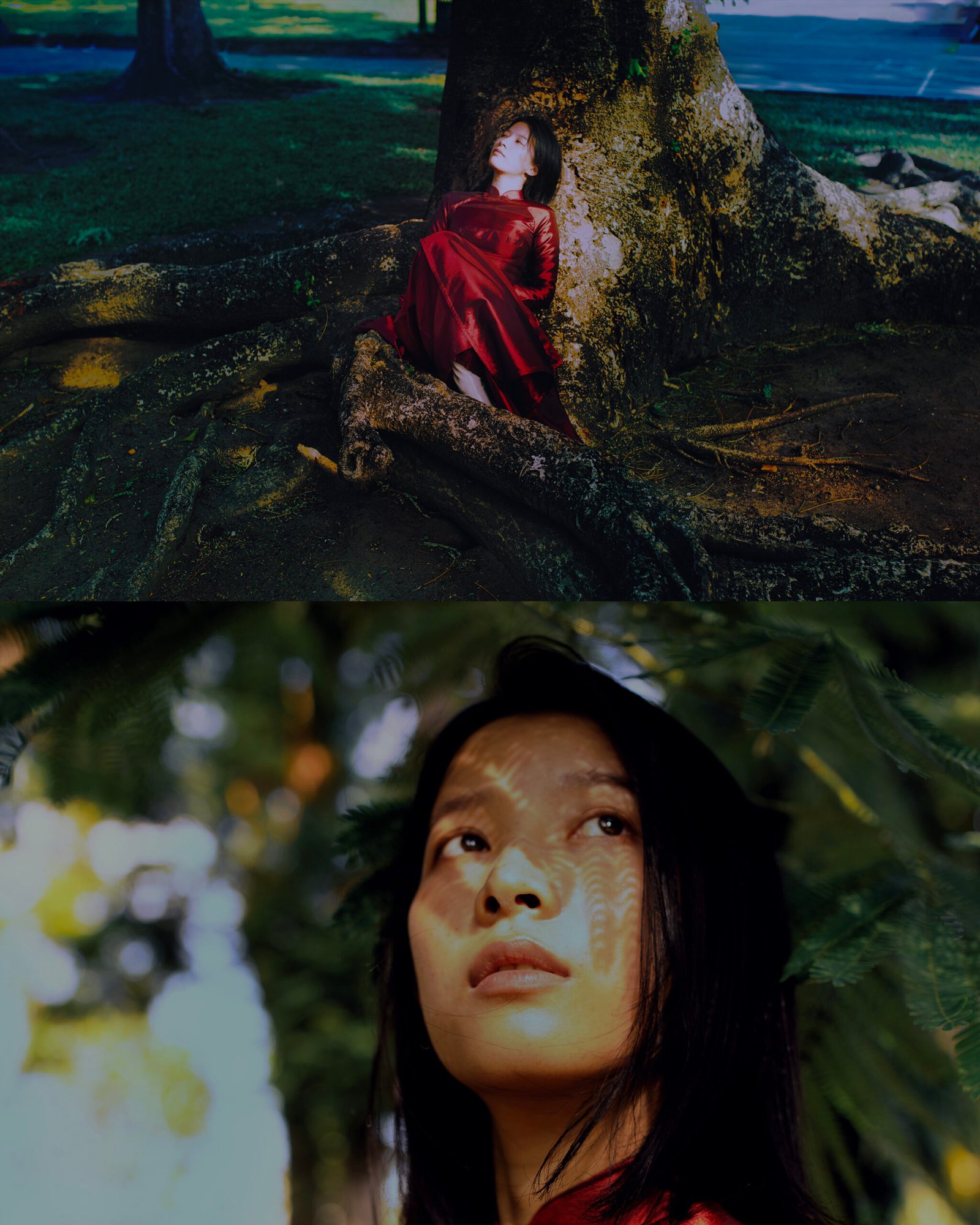
dada.ww ao dai for the ‘Don’t Be Afraid to Say I Love You’ project Season One 2025 (Photography: Chiron Duong, Model: Khanh Vi)
dada.ww resembles an art project more than just a fashion brand, founded by two young individuals who studied art. One of them is Dada Levine (Dang Anh Phuong, born in 1996), who studied Fashion Communication. The other founder studied Sculpture. They both carry a passionate love for fashion and fine arts. This intersection has become the DNA of dada.ww: always experimenting, always storytelling, always evolving.
One of the important milestones shaping dada.ww’s design language is a collection that caused quite a stir, “Ba Ba Dada”. Inspired by the familiar form of the Ba Ba Shirt, the collection embodies everything that dada.ww’s core philosophy aims for: the elevation of comfort to elegance, the recreation of tradition as a bold statement.
 |
 |
 |
 |
In the journey of spreading Vietnamese love through DNNLY Vietnam’s interdisciplinary creations, we had the opportunity to sit down with Dada to listen to her sharing through dada.ww’s creations. They are woven from memories, philosophy, and each stitch to create designs that are both modern yet imbued with a touch of Vietnamese tradition.
What is the Vietnamese love declaration that dada.ww wants to share with everyone?
Vietnam has a long-standing, multi-layered, and colorful culture. For dada.ww, this love is not about nostalgia, but about renewing and reviving Vietnamese beauty through clothing. Culture, to us, is not fixed; it flows and develops, felt in movement, in materials, in everyday rhythms. That’s why each collection starts not just from fabrics, but from Vietnamese “materials” like culture, life, a song, or even a dish.

There’s a sense of both poetic and liberal, soft yet surging in dada.ww’s designs. Does that come from childhood or personal memories?
Our works are not bound by nostalgia or traditional symbols. Instead, they emerge from an ongoing creative process, a process of transforming collective memory into future-oriented expressions. Each silhouette, seam, and structure carries echoes of the past reimagined, made relevant to the present.
The name dada.ww is very interesting. Why choose this name, and how does it reflect the spirit of the brand?
“dada” is a reminder of the creative rebellious spirit and flexible ego — intuitive and pioneering. While “.ww” stands for worldwide, emphasizing borderless culture, a soft resonance between generations and lands. This name reflects how we view fashion: not limited by boundaries, but as a living language that can connect, transform, and expand.

What is the biggest challenge for dada.ww?
dada.ww’s work does not aim to preserve culture, but to question, reshape, and continue writing about culture in today’s generational language. In a world of fast fashion, dada.ww chooses to follow a different path: creating flexible, sustainable forms that adapt with the wearer over time. We envision a world where traditional design language is not preserved in stillness but reinterpreted with creative purpose and nurturing, shaping how culture exists through what we wear. This is the core idea of designers at dada.ww. It may sound far-fetched, but the Ba Ba Dada collection with chrysanthemum silk, or the classic Ao Dai with liberal cuts, have already demonstrated how we transform tradition into the present.
Why the Ao Dai?
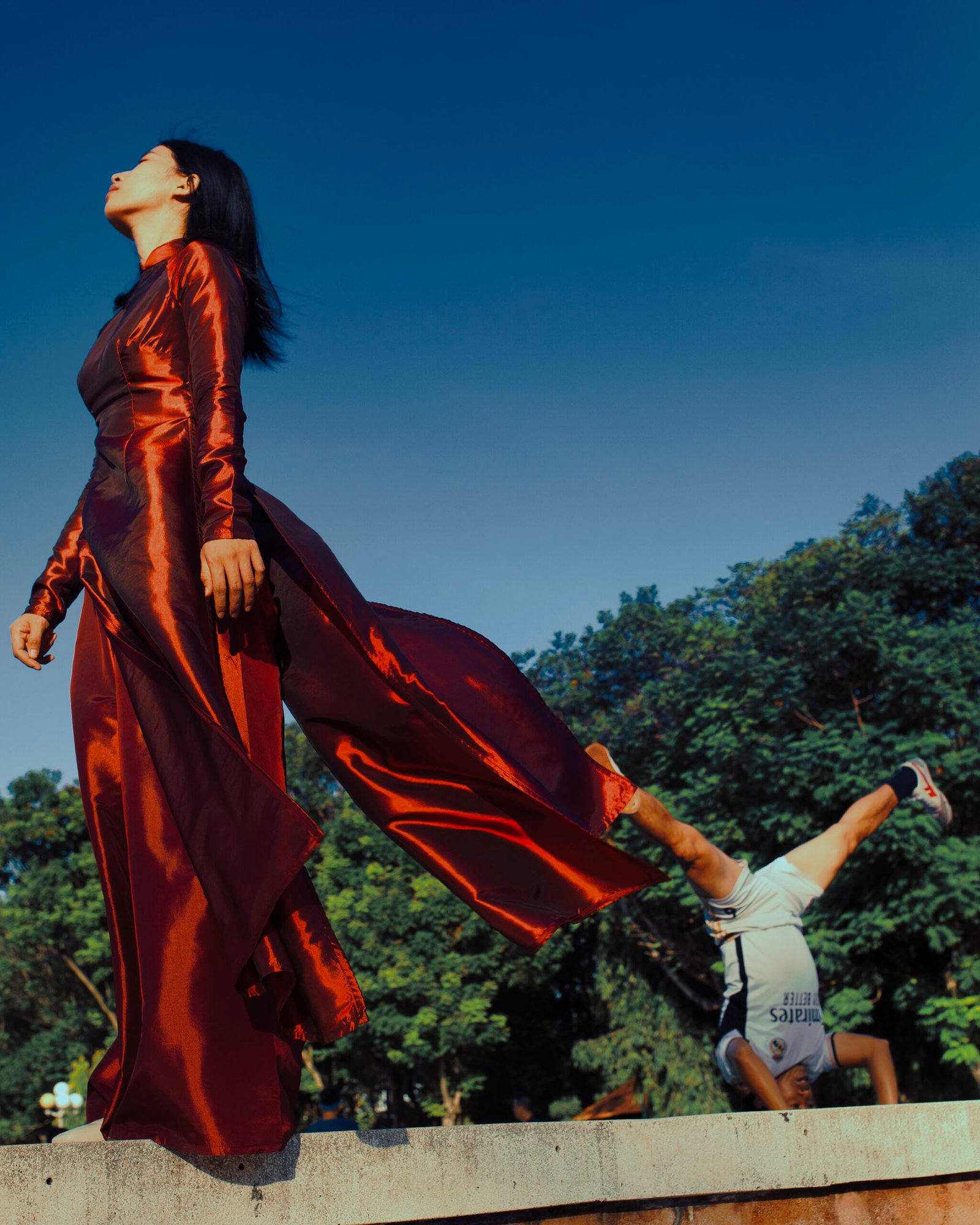
As a former international student, I always had an ao dai in my suitcase. Every time I wore it, it was like meeting myself again. For many Vietnamese students abroad, the ao dai is not just clothing. It’s an important piece of every Vietnamese girl’s identity. In a distant place, the ao dai becomes a bridge between one’s old self and new self.
What does dada.ww want to convey to the next generation?
To the young people who will continue the creative journey: Start with curiosity, nurture it with love, and preserve it with discipline. Don’t be afraid to experiment, but don’t stray from your roots. Design is not just to impress – but to listen, to tell stories, and to heal. In every cut, stitch, material you choose – leave a part of your heart. Because that’s how you make time remember you, not by fame, but by meaning. Be a storyteller with your hands, your eyes, and your soul. This is a long journey, not just to create beauty – but to preserve, dialogue with, and renew pre-existing values.
In every cut, stitch, material you choose – leave a part of your heart. Because that’s how you make time remember you, not by fame, but by meaning.

If your Ao Dai were a person, where would their hometown be? In other words, do you think of any place in Vietnam to express dada.ww’s message?
Saigon.
The ao dai in Saigon is a cultural symbol and also evidence of “integration without dissolution” of this place. It’s not just clothing but also a spirit and lifestyle: Subtle Charm, Pride, Openness, Flexible Adaptability, Modernity & Freedom.
dada.ww’s work does not aim to preserve culture, but to question, reshape, and continue writing about culture in today’s generational language.
 |
 |
 |
 |
Does dada.ww think that its products evoke responsibility towards society and community?
Our mission is to recreate heritage through design — combining meticulous craftsmanship, sustainable practices, and inclusive forms — to create clothing that connects people with identity, movement, and meaning. We don’t look back — we move forward. At dada.ww, design is a living language. We speak through form, material, and feeling — not to preserve but to transform. This is not nostalgia. This is continuity in motion — garments that mean without having to declare. Thoughtful shapes. Quiet confidence. Made to be worn, felt, and reinterpreted — again and again.
Thank you, Dada, for the conversation!
“Don’t be afraid to say I love you” is the first interdisciplinary creative journey in Vietnam, opening up a space for encounters between fashion, architecture, art, science, and sociology. Season 1 (2025) chooses the ao dai as the center to send a love letter from Vietnam to the world.
Resonating with the image of the ao dai is the participation of multi-disciplinary creators, including tourism, landscape, design, sociology, science, technology, and art, along with prominent individuals and organizations operating in various fields in Vietnam. They will share creative perspectives, sharing love in their works and jobs to everyone.
In season 1, we introduce five brands/designers: Huy Vo, dada.ww, Lo Boutique, Duc Studio, Trang Bui. Each brand/designer is a love letter to the ao dai, expressed through their contributions in preserving and developing the ao dai in modern life. From materials to design perspectives, from thinking to observing the new era, each brand creates an emotional whole about contemporary Vietnamese culture that DNNLY is honored to introduce to you.
Phỏng vấn
dada.ww
Dnnly 2025 |
@dnnly_vietnam
Nội dung: Phạm Việt Thắng
Đồ họa: Thiện Tài, Vân Vân, Việt Thắng
Hình ảnh quảng cáo: dsuy (Nguyễn Quang Duy)
Ý tưởng nghệ thuật: dandu
Nhiếp ảnh: Chiron Duong
Hỗ trợ: Hai Man
Người mẫu: Khánh Vi