Throngs of visitors, roving about it all in the places they are not natives, might want to make it known by means. Surely, you’ve got your phones, the apparatus opening the door to endless communications previously unavailable, for as fast an instant—truly a magical thing. You’re a button away from being known, and yet ironically, one button away from being out of sight, too.
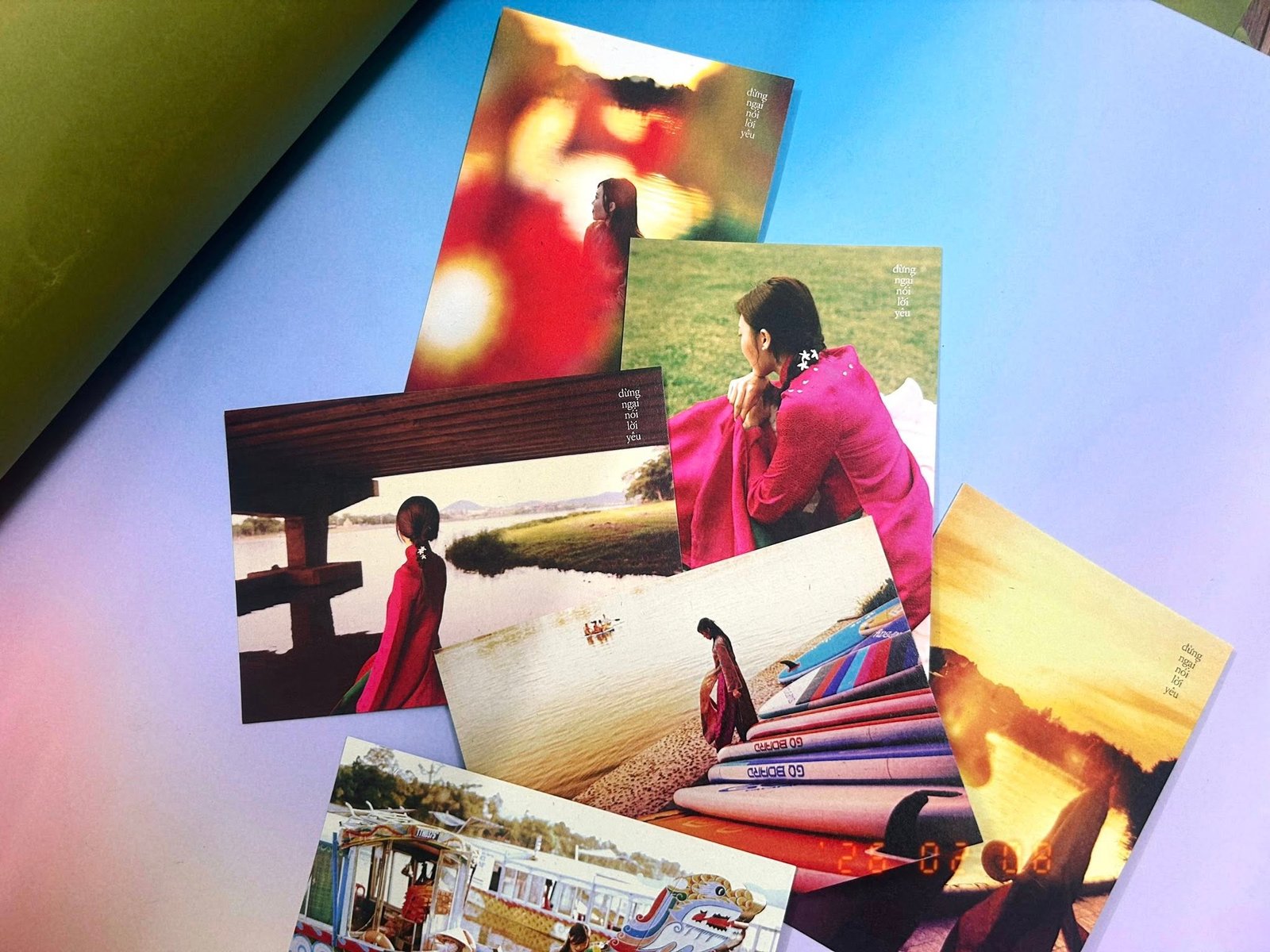
But behold this thing on the racks at souvenir stores, post offices, or bookshops—flat-papered, pocket-sized, a few inches by a few inches in your hand, where they printed generic photos and paintings, but scenic ones of the places they are sold—and sometimes overpriced. Caveat emptor! It’s the postcards.
You can download Vietnam travel postcards through our project here- Don’t be afraid to say love
Why postcards now, and why go through all the hassles?
There’s limited space for words on a postcard, and what must be said is too often discursive. One must pare down the vastness of an inner frenzy into a compressed package. It calls to mind the Vietnamese adage: “Learning how to eat, how to speak, how to wrap, how to unwrap.” We need not only academic schooling, but also the niceties of conduct, that is, the practice of self-restraint, knowing what to keep back and what to give out.
Within these constraints lies the opportunity for mastery. On scanty resources, some become the ultimate strategists, making do with the meager and only spending when necessary; their minds are always ranging far to foretell the hitch. On meagre paper, others have wondered at and mastered what is better left unsaid, expressing it with succinct voices; Their minds far-ranged on the connotations of their words. Under constraints, one borrows ambiguity from the universal, assuming the non-commital shape of a cloud, protecting a clandestine truth, like the question of the key, whether it was truly forgotten or tucked away, is left to drift in this deliberate fog in Ky Nam Inn (2025), a Vietnamese cinema. “That’s learning how to ‘wrap’.”
Beside, you have to choose from the postcards one that befits the recipient’s taste, and there’s the time of waiting for the thing to arrive, 2 weeks may it be if you send it overseas. All this patience and holding back and giving away make it feel like a game.
Back in the day, Vietnamese children played this game obsessively. You are blindfolded by a red scarf—a stroke of ingenuity born of the accoutrement every secondary school student wore to symbolize their socialist ideals, repurposed here for another function: enforced ignorance. You are encircled by your friends, but you cannot see them. You have to rely on everything but your vision: breath, hair texture, glasses (though some will take them off to cheat the touch). You notice the sound of his throat swallowing betraying unease, the rhythm of his breath, or a suppressed laugh. To guess it right requires the delicate observation of the blind man, or the others’ willingness to mislead.
Receiving a postcard places the recipient in the same position. The object arrives detached from its sender, stripped of context except for what the senses can recover. The card is lifted, smelled, turned, and its surface traced. Meaning is assembled indirectly, through inference rather than declaration. Affection forms before certainty, and what you grasp first might not be the sender, but the limits of what can be known.
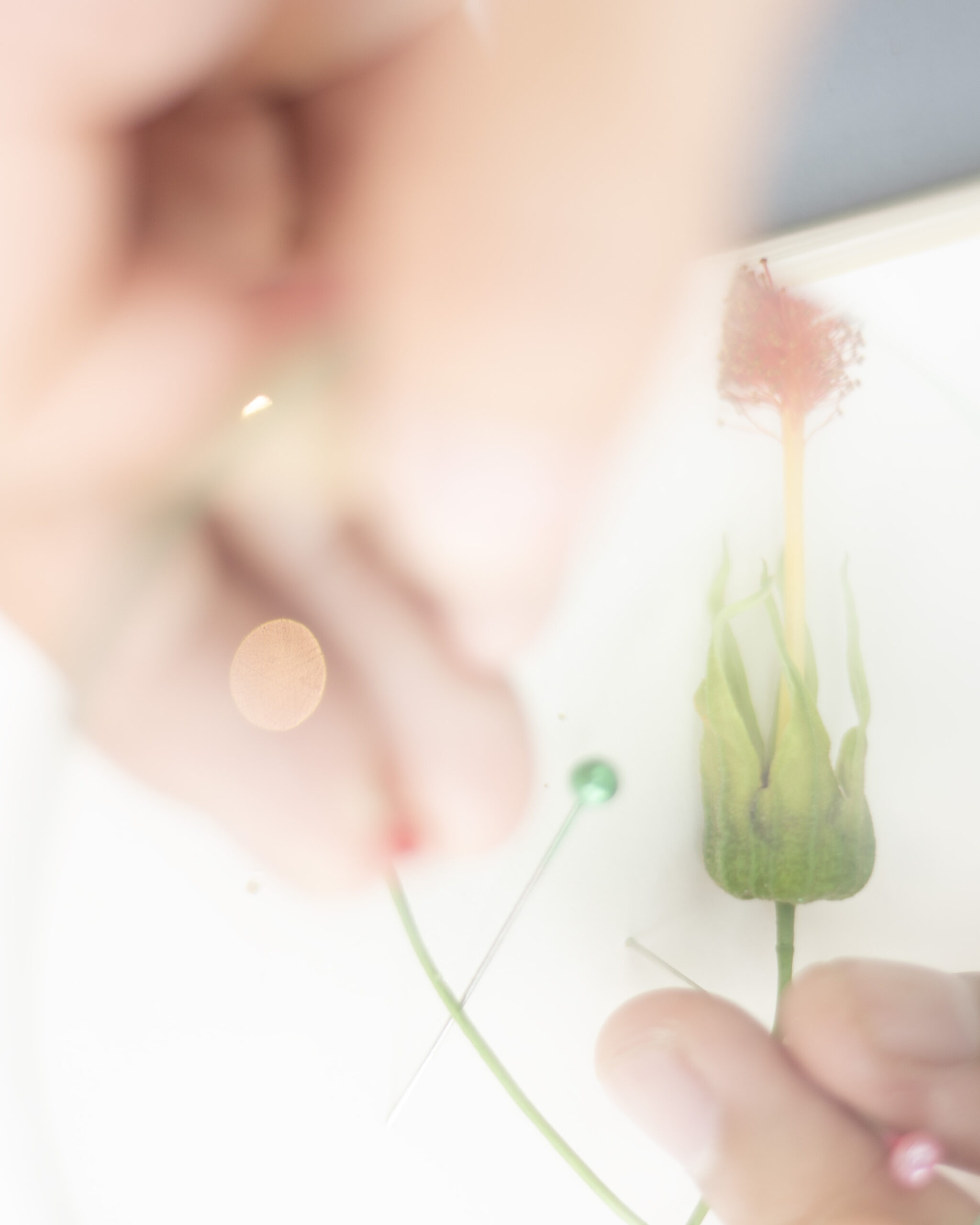
Through the amazing journey filled with friction and grappling with real life, we urge you to connect more with the surrounding environment and to live. However fragile a physical object may be, it carries an emotion that must be experienced rather than explained. One author captures this clearly, through flower:
Arranging hydrangeas is much like loving. When the flowers fade, the tiny petals fall like waves of snow, whitening the floor. No matter how long you clean, the remnants of a moment of intoxication cannot be fully gathered. Some endings must decay with such quiet devastation. And yet, when a new season of flowers appears—pure and radiant—you cradle them again, forgetting the earlier pain.
Arranging daffodils at their end is like parting from a kindred spirit. When daffodils fade, they draw their petals inward, drying intact on the stem, orderly and silent. The skeletal shadow of the flower cast onto memory becomes a kind of masterpiece, one that people carry for years, recalling only the first season of bloom in their lives.
Seasons turn, flowers change, and the heart learns familiarity. Those who love flowers change as well; why fear their moments of splendor or their decline?– Nomad Nguyen Thien Ngan
If you have never sent a postcard, you can begin here. Our postcard is available for free. Print it, fill it with intentions then send it, and start the journey.
You are getting your hands dirty and finding that tactile epiphany that a frictionless screen can never give you. It’s the difference between just surviving in a chair and actually living on the ground.
–
The “Don’t Be Afraid To Say Love” project by ChiLab Vietnam.
Writing by Pham Viet Thang
Postcards designed by: Van Van, Pham Viet Thang, Thien Tai
Video by Hai Man
Images by Chiron Duong
–
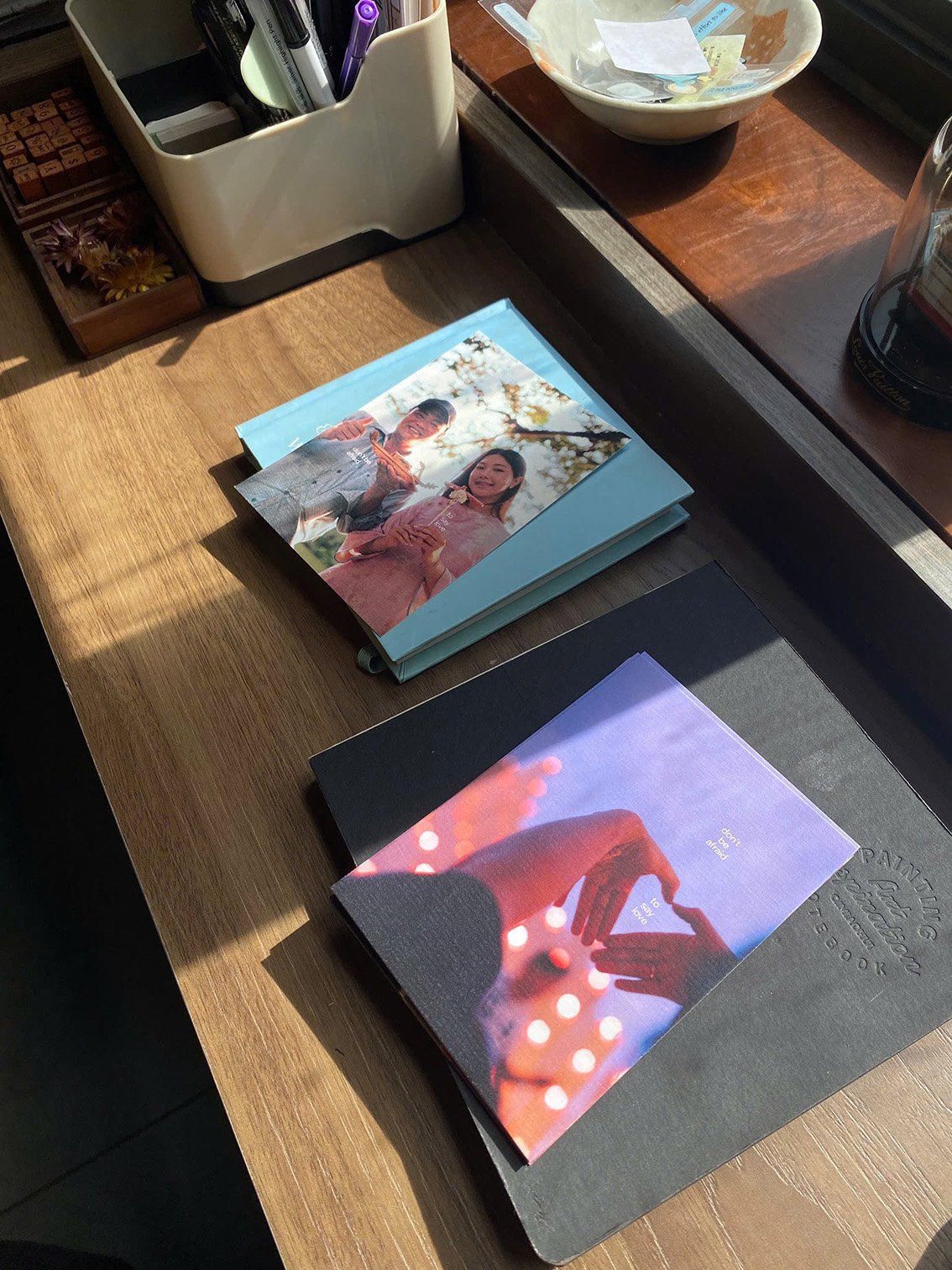
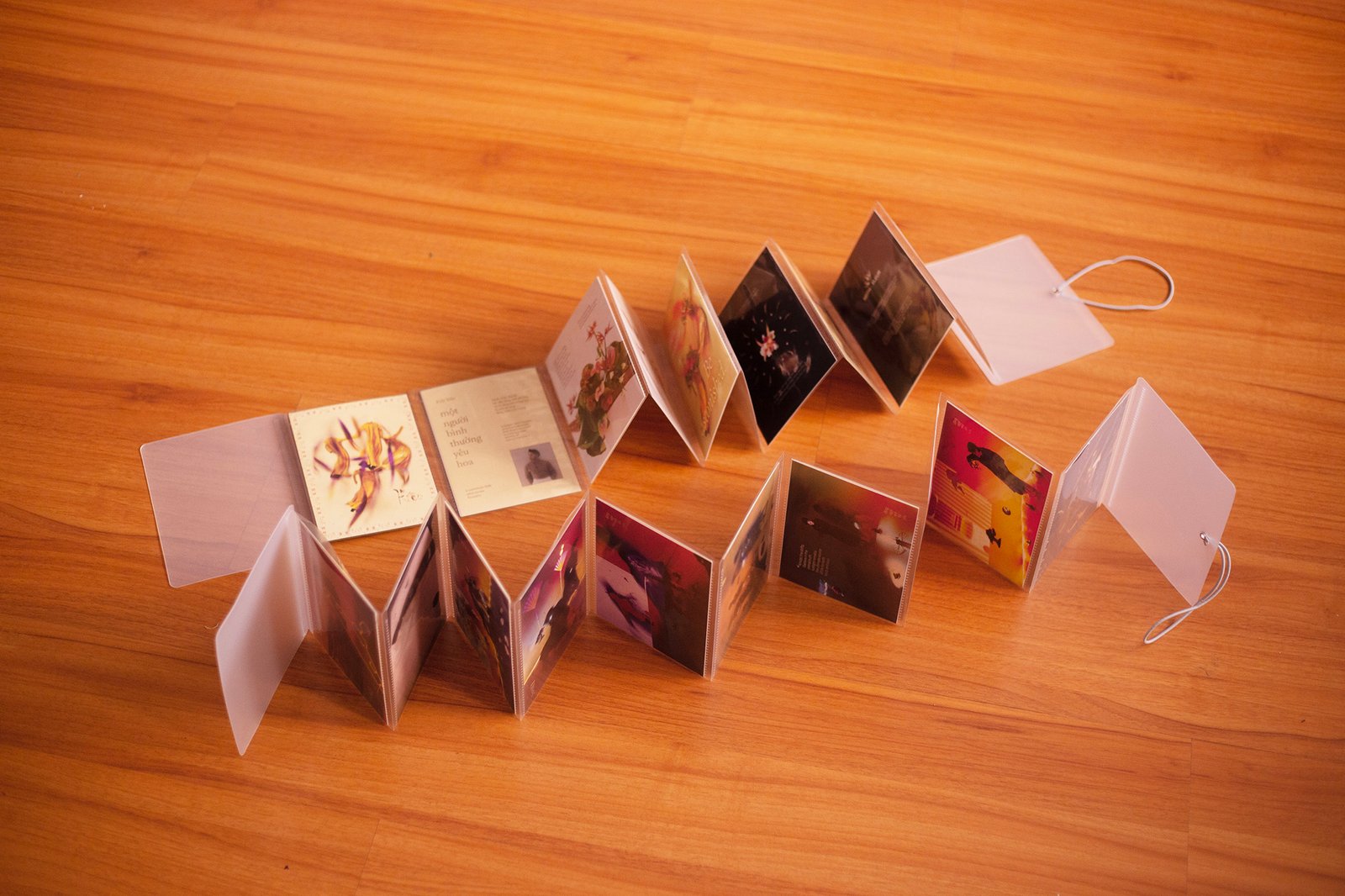

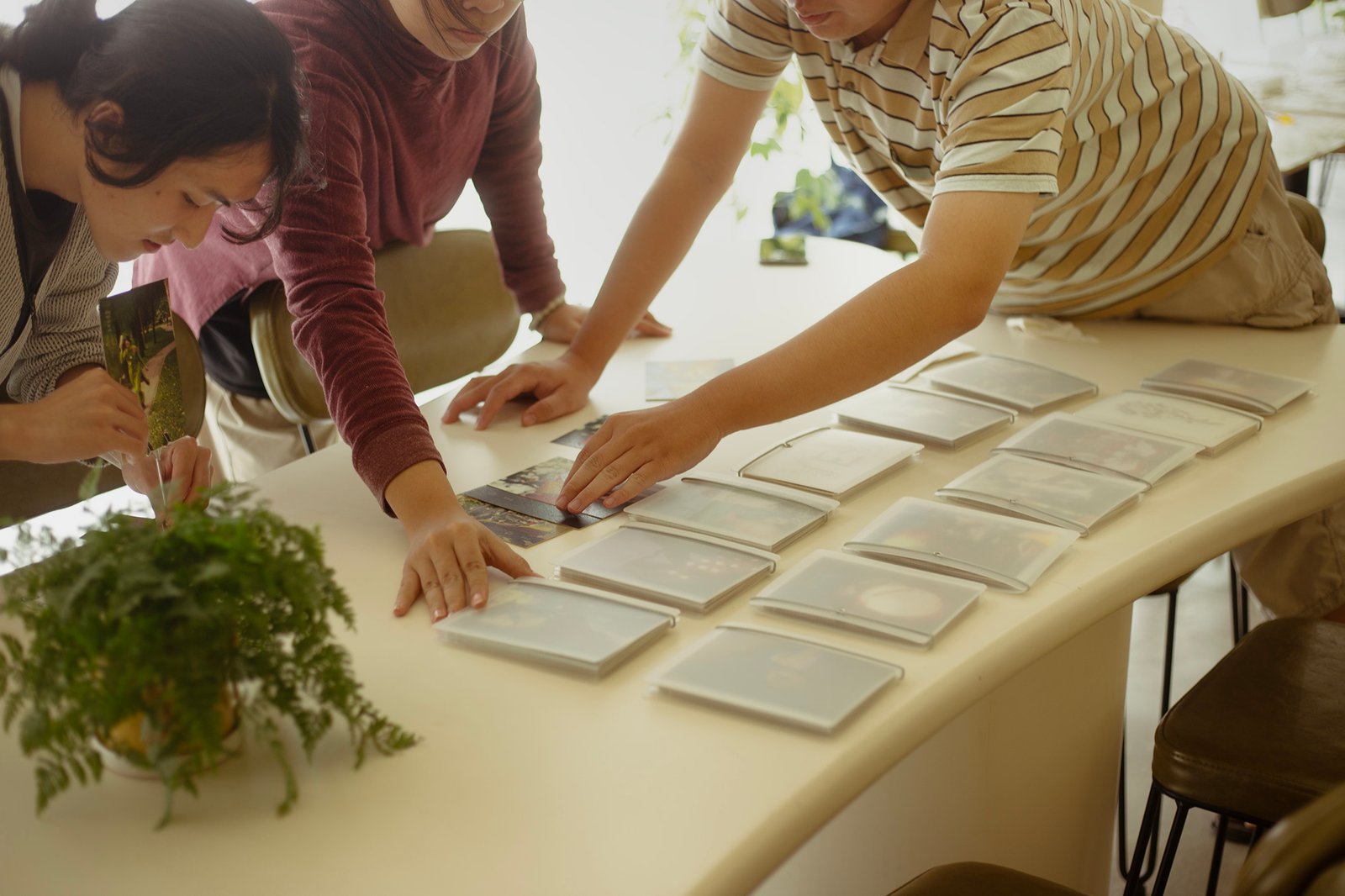


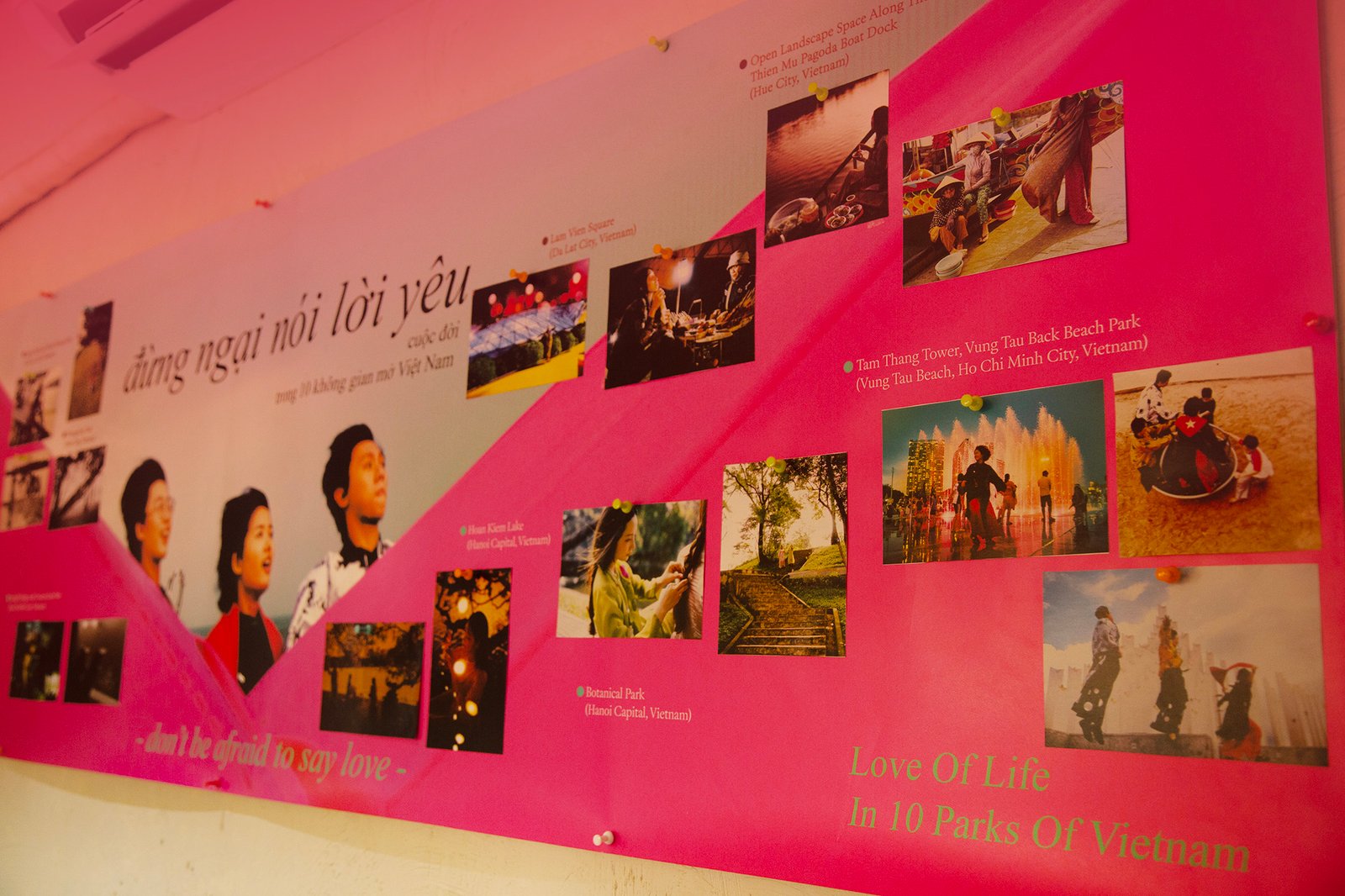
Featuring 10 Of Vietnam’s Parks/Public spaces.
(You can download postcards here.)
Travel Vung Tau Beach (Vietnam)
Travel Hue (Vietnam)
Travel Da Lat (Vietnam)
Travel Hanoi (Vietnam)
Travel Saigon (Vietnam)
–
The “Don’t Be Afraid To Say Love” project by ChiLab Vietnam.
Writing by Pham Viet Thang
Postcards designed by: Van Van, Pham Viet Thang, Thien Tai
Video by Hai Man
Images by Chiron Duong
–
(You can download postcards here.)